Escabeche: What It Is and How It Differs From Ceviche
 By
Diego Cortés
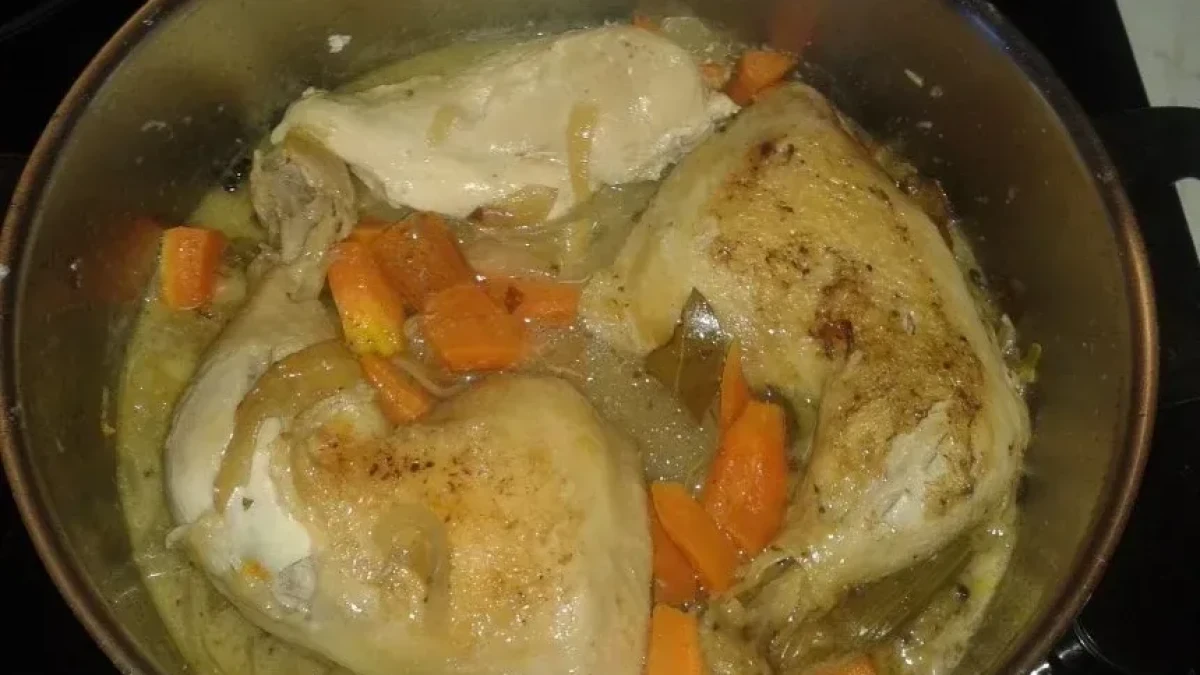
Escabeche is not just another pickle: it is a technique that fries or simmers the ingredient and covers it with a hot bath of vinegar, oil and spices. The dish is eaten cold or lukewarm, and it is almost always better the next day.
What Escabeche Is: Technique, Dish and Label
The word is used in three senses. The first is the action: to escabechar a mackerel. The second is the dish, served cold or at room temperature. The third is the supermarket label: mussels in escabeche, pickled egg yolks. All three share the acid medium; they do not share the resting time or the serving temperature.
And one idea needs debunking from the start: escabeche is not a pickle. Pickling cures or ferments in brine and acid, often cold and over weeks. Escabeche cooks first and uses vinegar as a bath and a short-term preservative.
Where the Name Comes From: From Persia to Your Kitchen
The chain recorded by the Spanish academy dictionary starts far away: Andalusian Arabic as-sukkabāŷ, classical Arabic sikbāŷ, and before that Middle Persian, where sik is vinegar and bāŷ is stew. In Persia it was a meat stew with vinegar already quoted in One Thousand and One Nights; the Andalusians pronounced it iskebech.
The road into Castilian ran through Catalan escabetx: the Llibre de Sent Soví (1324) already has three recipes for escabeyg, and the first escabeche written in Castilian is in Ruperto de Nola's Libro de los Guisados (Toledo, 1525). Corominas argues that Catalan lent the word to other European cuisines. And De Re Coquinaria in the first century already describes preserving fried fish with hot vinegar; paprika, which replaced saffron, explains today's reddish tone.
Why Vinegar Works (and Where Its Limits Are)
The acid bath takes the preparation to a pH below 4.5, a range where spoilage microorganisms work badly. Salt adds to that by reducing available water, and the ingredient is already cooked. Fish has an extra effect you can smell: the acid slows the formation of trimethylamine, the compound behind the smell of fish that has turned. That is why an escabeche of mackerel smells of spices and not of the fish counter.
The honest limit: at home, escabeche is not shelf-stable. It keeps three to four days in the fridge, and fish two to three, always covered by the liquid. Only industry reaches a pantry preserve, with heat treatment and a sealed container.
Spanish Escabeche: Fried, Sharp and Cold
The piece, whether sardine, mackerel, tuna, partridge, rabbit or quail, is fried and covered with a hot mix of vinegar, olive oil, bay leaf, peppercorns and paprika. It cools in its own juices and is eaten cold or at room temperature, never straight from the pan.
Resting is part of the recipe: fish needs overnight so the acid penetrates and the fat blends in. That is why it works so well as a tavern dish and as an excuse to serve oily fish to someone who does not want it fried.
Arequipa Escabeche: The One Served With Sweet Potato and Corn
In Peru the technique arrived with the viceroyalty and is made with chicken or fish: the piece is fried and marinated in a dressing of oil, ají panca, ají escabeche, vinegar and onion. The ají escabeche chili is named after this dish, and half of the Peruvian flavour lives right there.
In Arequipa it is a picantería dish: golden chicken with blanched vegetables (cauliflower, green beans, peas, carrot), bathed in an onion and tomato sauce, with boiled sweet potato and corn. It is served lukewarm, with bread; the minimum rest is thirty minutes, but four hours or a whole night is ideal. The house version is in the Arequipa chicken escabeche recipe.
The difference from the Spanish version fits in one sentence: here the acid is not the final bath but a sauce with onion, tomato and chili, and the accompaniment is Andean. The result is less sour, more vegetal and spicy, and it is served as a main course.
Escabeche vs Ceviche: Cousins, Not Twins
Etymology links them: the Spanish academy dictionary proposes the same Arabic origin for cebiche or ceviche as for escabeche. Technique separates them: ceviche is raw and cured in lime juice, with no heat; escabeche is cooked and rests in vinegar with oil and spices. One is eaten fifteen minutes later; the other improves the next day. If the fish is cooked and in vinegar, it is escabeche; if it is raw and in lime, it is ceviche. To see it on a plate, this classic Peruvian fish ceviche recipe makes the difference obvious.
Other Versions Worth Knowing
In Mexico there is the Yucatecan escabeche oriental, with turkey or chicken marinated in vinegar, coriander, cumin, clove, cinnamon, sour orange and xcat-ik chili; plus vegetable escabeches with carrot, jalapeño and cauliflower, which accompany tacos and meat. In the Philippines the eskabeche brings lapulapu, cane vinegar, water, sugar and spices, with the fried fish added at the end; Filipino adobo is, at heart, a slow-cooked escabeche.
In the Caribbean, Jamaican escovitch is fried fish with vinegar, onion, carrot and scotch bonnet chili, and its name is the Spanish word worn down by use. In Chile, pickled onion and vegetable picle solve the same idea with acid and crunch. The Japanese relative of the acid marinade, maguro zuke, takes another route, soy sauce, but shares the logic of the short rest.
How to Serve It, How Long It Keeps and What to Avoid
Serve it cold or lukewarm, never boiling: with the Arequipa version, sweet potato and corn; with the Spanish fish version, bread and salad; with pickled vegetables, as a side that cuts through the fat of a roast. To see the technique in practice, try the pickled mackerel and the pickled rabbit, and the rest of the family sits in the chicken recipe category.
Store it in the fridge, in a glass container with the liquid covering the piece. Chicken and meat keep three to four days; fish, two to three. It can be frozen, but fish loses firmness and blanched vegetables fall apart.
Four mistakes ruin an escabeche, plus a fifth for good measure: vinegar with no oil, which scrapes instead of rounding the flavour; frying without draining, which turns the bath bitter with burnt oil; serving it freshly made, when it still tastes of raw vinegar; leaving it out of the fridge; and using cheap spirit vinegar instead of wine or cider vinegar.
Frequently Asked Questions About Escabeche
Is escabeche the same as a pickle?
No. Pickling ferments or cures cold over weeks; escabeche cooks the piece first and preserves it in vinegar for a few days.
Where does the word escabeche come from?
From Andalusian Arabic as-sukkabāŷ, from Persian sik (vinegar) and bāŷ (stew), with Catalan escabetx as the bridge.
Is it eaten cold or hot?
Cold or lukewarm. Freshly made it tastes of raw vinegar; resting brings the flavours together.
How long does escabeche keep in the fridge?
Three to four days for chicken or meat, two to three for fish, always covered by the liquid.
Can it be frozen?
Yes, though fish loses firmness and blanched vegetables break down. Better to eat it within the week.
What is the difference between escabeche and ceviche?
Ceviche uses raw fish cured in lime and is eaten the same day; escabeche uses cooked fish that rests in vinegar.
Why does Arequipa escabeche have chili and the Spanish one does not?
Because in Peru the dressing took on ají panca and ají escabeche, becoming a sauce with onion and tomato.
Which vinegar should I use?
Wine or cider vinegar. Spirit vinegar works, but leaves a flat edge.
Can it be left out of the fridge?
Not in a home kitchen. Acid slows spoilage but does not replace the cold chain.
Does any fish work for escabeche?
Firm, oily fish work best: mackerel, sardine or tuna. Very delicate fish fall apart in the bath.