Pan de Pascua: What It Is and How It Differs From Panettone
 By
Diego Cortés
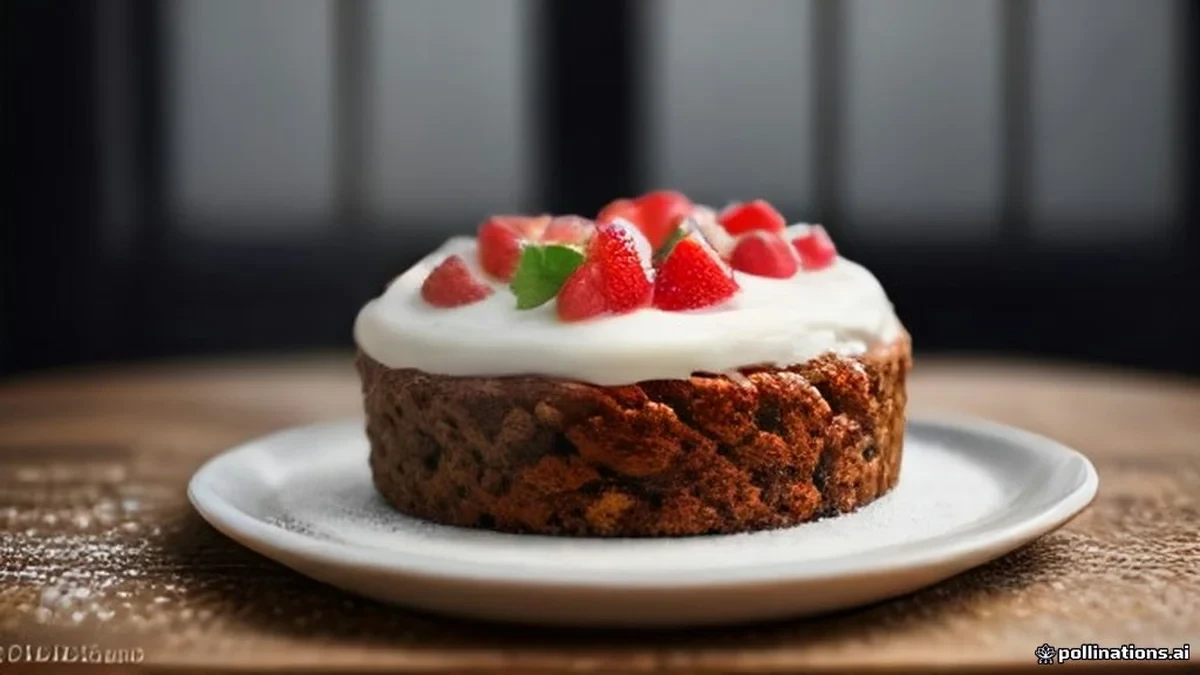
Pan de pascua is Chile's Christmas cake, and its name is the first trap: in Chile "pascua" means December, not the April feast. It is a dark, moist fruit cake with ginger, honey and candied fruit.
It has no yeast, it is not a panettone and it does not resemble a table bread, even though it is called a bread. It is sold by weight and served with monkey tail punch, coffee or tea.
What pan de pascua is, in one sentence
It is a batter cake with a heavy crumb, flavoured with ginger and honey and packed with candied fruit, raisins and nuts, baked in a tall tin and eaten at Christmas and New Year. The definition corrects the three assumptions almost everyone brings to the term: that it is a bread, that it is made like a bread and that it is served like a bread.
And there is one correction that supports everything else: in Chile, "pascua" means Christmas. The April feast is called "Pascua de Resurrección", with a second name, because the word alone points to December.
Why it is called pascua when it is eaten at Christmas
In Chilean speech "pascua" designates Christmas, and the rest of the vocabulary adjusted to that habit: the Viejito Pascuero is the local name for Santa Claus, and when someone says "para pascua" they mean December. It is not an archaism; it is normal usage, the same one you hear at the table and read on the bakery notice at the corner.
The recipe archive also holds two sweets whose names collide. Pan de pascua belongs to December; the rosca de pascua belongs to April, made with sweet roll dough and hard-boiled eggs, and eaten at Easter. All they share is the word.
The bigger damage is in translation. Rendering "pan de pascua" as Easter bread is the most common and most costly mistake, because it sends the English-speaking reader to a spring product that has nothing to do with this one. The correct English name is Chilean Christmas fruit bread, or simply Christmas cake when the context is already Chilean.
Where it comes from: Germany or Italy, and what changed in Chile
The origin is told as what it is: a hypothesis, not a settled fact. The most repeated version says it arrived with the European tradition of Christmas breads, made with yeast, marzipan and generous amounts of dried fruit, because dried fruit was a way of recalling abundance in the middle of winter. Germany and Italy both appear in that story, and neither claims paternity over the Chilean version.
What is verifiable is the creolisation: dried fruit gave way to candied fruit and the cake turned darker. Because of German immigration, a variant survives in the south with malt and spices such as nutmeg and clove, drier and closer to its European relative. And since 2021 the Santiago bakers' guild has chosen "the best pan de pascua in Chile" every year.
The batter: why it is a cake and not a brioche
Pan de pascua is made with baking powder, butter, sugar, eggs and an enormous load of fruit and nuts. That load is the key: so much fruit and so much fat prevent the batter from rising like a bun, so it stays compact and moist, and it bakes in a tall tin so the heat reaches the centre without burning the edges. There is no kneading and no long rest.
Panettone works the other way round: it rises with sourdough for hours, in a process that can take more than a day, and leaves an airy crumb that stretches into strands when cut. Nobody looks at the crumb of pan de pascua expecting strands.
The home trick that holds the flavour together is macerating the fruit overnight in rum, cognac or pisco: it perfumes the batter from the inside and helps preserve the cake, because alcohol lowers water activity. Some ingredients exist only in Chilean conversation: pan de pascua essence, enguindado and, in modern versions, chancaca or manjar. The proportions live in the pan de pascua recipe.
Pan de pascua, panettone, stollen and pan dulce: the table that settles it
The question comes back every December: is this thing I bought a panettone? The short answer is no. All four sweets solve the same holiday and reach it by different roads.
| Cake | Raised with | Crumb | Shape | Origin | How it is served |
|---|---|---|---|---|---|
| Pan de pascua | Baking powder | Dense and moist | Tall one-kilo tin | Chile, European roots | Sliced, with monkey tail punch |
| Panettone | Sourdough, hours of proofing | Airy, in strands | Dome of 12 to 15 cm | Milan, 15th century | Cut into vertical slices |
| Stollen | Yeast, heavy dough | Tight and buttery | Oval loaf dusted with icing sugar | Dresden, 1329 | Sliced, after three weeks of rest |
| Pan dulce | Yeast | Spongy | Low bun | From Genoese pandolce | Sliced, with hot chocolate |
The hard facts are not opinion. Panettone is Milanese, documented at least since the 15th century, and today it dominates Christmas in Peru and Argentina. Stollen comes from Dresden, appears in records in 1329, and in 1491 a papal bull allowed butter during Advent; after baking it rests three weeks. Argentine pan dulce descends from Genoese pandolce: flatter and fruitier.
The practical conclusion helps you decide at the bakery: pan de pascua is sweeter, heavier and more spiced than a panettone, and it keeps far longer. Neither is better; they are two ways of solving the same holiday.
How to cut it, serve it and pair it
Slices of one to two centimetres, at room temperature. Cold from the fridge loses aroma and packs down; the microwave turns it rubbery. If it has dried out, toast it lightly and butter it.
The right drink is monkey tail punch, the national partner. Coffee, black tea and a sweet wine also work; with dry sparkling wine the sugar contrast feels wrong. Bakery versions are moister, with large pieces of fruit; boxed ones are lighter and last longer, because they are formulated to sit on a shelf.
Calories and storage: what the table does not tell you
The figures come as a range, not a single number. A commercial pan de pascua sits around 330 to 380 calories per 100 grams; a homemade one, with butter and manjar, climbs to 400 or 440. A 70 to 80 gram slice lands between 270 and 330. The difference is not in the fruit: it is in the fat and the sugar.
Compared with panettone, which moves between 270 and 350 calories per 100 grams, it is almost a tie by weight. What shifts the balance is the portion and the pairing. For more references, the calorie chart of Chilean classics uses the same range-based approach.
Storage follows the same chemistry: sugar, fat and alcohol lower water activity and slow mould and bacteria. Wrapped in film it keeps two to four weeks; in humid conditions, less. Frozen in portions it lasts months. And an honest warning: the alcohol from the maceration does not evaporate completely, so it is not a cake for small children or for anyone who does not drink.
Frequently asked questions
What is pan de pascua?
A Chilean fruit cake eaten at Christmas. The batter carries baking powder, butter, eggs, ginger, honey, candied fruit and nuts, it bakes in a tall tin and it has no yeast.
Why is it called pan de pascua if it is eaten at Christmas?
Because in Chilean speech "pascua" means Christmas. The April feast is called "Pascua de Resurrección", and the same usage shows up in "Viejito Pascuero", the local name for Santa Claus.
Is it the same as a panettone?
No. Panettone is Milanese, rises with sourdough for hours and leaves an airy crumb in a dome shape. Pan de pascua rises with baking powder, stays dense and bakes in a tall tin.
How many calories are in a slice?
Between 270 and 330 calories for a 70 to 80 gram slice, depending on whether the cake is commercial or homemade.
How long does it keep, and can it be frozen?
Two to four weeks at room temperature, wrapped in film. Frozen in portions it lasts several months, and it thaws in the fridge.
Does it contain alcohol?
Almost always. The fruit macerates in rum, cognac or pisco, and the alcohol does not fully evaporate in the oven. For children, look for a version macerated in orange juice.
Is pan de pascua less fattening than panettone?
Per 100 grams they are close: 270 to 350 for panettone and 330 to 380 for commercial pan de pascua. The real difference is the portion and what you drink alongside.