Chilean Food Calories: A Per-Serving Chart of 18 Classic Dishes
 By
Diego Cortés
By
Diego Cortés
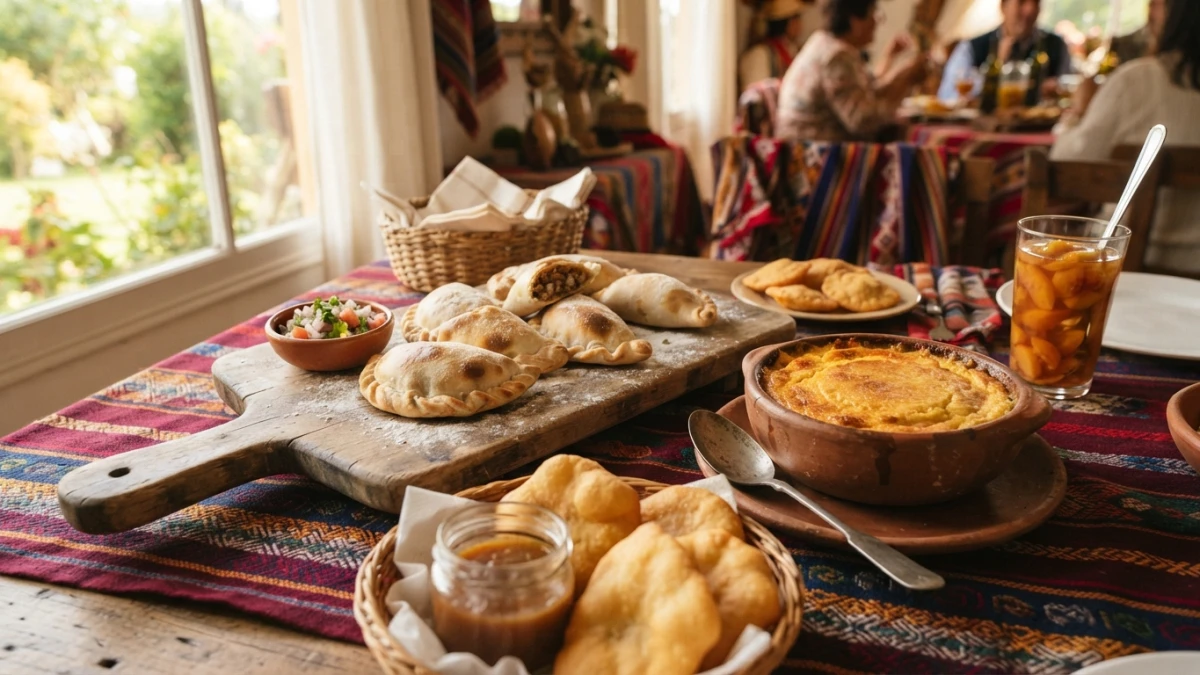
Chilean food calories depend less on the dish than on how it is served: the same recipe can deliver 300 or 700 calories depending on the portion, the oil added and what comes on the side.
Here is a per-serving chart of 18 classics, from empanada de pino to terremoto, with approximate ranges and a tag showing where each number comes from. It is not a diet and it does not replace a dietitian's advice: it is a reference for comparing dishes, choosing portions and seeing where the difference hides. It is especially useful in September, when dieciochero recipes multiply and snacking stretches into the early hours.
Why the same recipe can have 300 or 700 calories
No Chilean dish has a single calorie count. A cazuela changes with how much potato lands in the bowl, whether the broth is skimmed and whether it is eaten with bread. That is why everything below is a range per serving, not an exact figure.
Three factors move the result:
- The portion. A restaurant clay bowl can weigh twice as much as the homemade one. The same pastel de choclo goes from 420 calories at home to more than 600 in the large version.
- The fat you add. Oil for the sofrito, butter in the corn paste, cheese, mayonnaise, puff pastry. It is the additions, more than the main ingredient, that push the number up.
- What comes with it. Bread, french fries or a salad with a creamy dressing can add more calories than the dish itself.
The charts in circulation are calculated from standard recipes and composition analysis: they are good for comparing dishes and deciding portions. As a reference, an average adult uses about 2,000 calories a day, and on a Fiestas Patrias celebration day a person can reach close to 6,000.
Chilean food calories: the table of 18 classics
The origin column separates values taken from published nutritional tables from estimates based on the composition of typical ingredients. All of them are approximate: if a number does not match your recipe, the difference is usually in the portion or in the added fat.
| Dish | Reference serving | Approximate calories | Origin |
|---|---|---|---|
| Milanesa napolitana | 1 serving | 550 to 750 | Estimate |
| Pastel de choclo | 300 to 400 g (large clay bowl: 480 g) | 420 to 560 (large bowl: 600 to 650) | Sourced |
| Cazuela de vacuno | 1 bowl | 570 | Sourced |
| Baked empanada de pino | 150 to 180 g | 400 to 520 (fried: 460 to 550) | Sourced |
| Porotos granados with mazamorra | 1 serving | 460 | Sourced |
| Terremoto | 250 ml | 450 | Sourced |
| Choripan | Half marraqueta and medium chorizo | 400 to 450 (large version: up to 800) | Sourced |
| Mongolian meat | 360 g | 380 to 460 | Sourced |
| Charquican | 1 bowl | 425 | Sourced |
| Chilean carbonade | 1 bowl | 400 to 500 | Estimate |
| Pantrucas | 1 bowl | 400 to 500 | Estimate |
| Mote con huesillos | 1 glass of 300 to 400 ml | 250 to 430 | Sourced |
| Humita | 1 piece of about 200 g | 300 to 450 | Estimate |
| Milhojas | 1 piece | 350 to 450 | Estimate |
| Guatitas a la jardinera | 1 bowl | 250 to 350 | Estimate |
| Cornstarch alfajor | 1 piece of 70 g | 220 to 270 | Sourced |
| Chilenitos | 1 piece | 180 to 250 | Estimate |
| Sopaipilla | 1 piece of 50 to 60 g | 130 to 190 | Sourced |
Two quick conclusions: compare portions before absolute numbers, and fried dishes or dough-based dishes always sit at the top of the range. The sopaipilla, by contrast, is the lightest item on the list: the problem appears when you eat three of them.
Empanadas, pastel de choclo and humitas: the podium from August to September
September is dough season. Baked empanada dough is the base of half the dieciochero repertoire, and once you know how much each preparation yields, the differences make sense.
A baked empanada de pino (150 to 180 g) runs from 400 to 520 calories; fried, it climbs to 460 or 550 because the dough absorbs oil. Weight decides: a large market empanada can pass 550 calories on its own. Pastel de choclo lands at 420 to 560 for a homemade serving of 300 to 400 g, and the large restaurant clay bowl reaches 600 or 650 because of its size and because the corn paste usually carries butter, milk and sugar. A humita, about 200 g per piece, sits between 300 and 450 calories depending on sugar, butter and filling: it is the same base as the pastel with less meat and less added fat.
Stews, cazuelas and legumes: where the difference hides
The beef cazuela is around 570 calories per bowl. The broth adds little: almost everything comes from the bone-in beef and the potato. Skimming the broth once it is cold lowers the count without touching the flavour.
Charquican runs about 425 calories. Carbonade and pantrucas stay in a similar range, 400 to 500, and depend on how much potato and how much dough the bowl carries. Porotos granados with mazamorra lands near 460 per serving: keep an eye on the final drizzle of oil and on the bread, which adds 150 to 250 calories for every two slices.
September 18: terremoto, mote con huesillos, choripan and completo
A 250 ml terremoto is around 450 calories, and almost all of them come from the pineapple ice cream and the sugar, not from the pipeño wine. The alcohol-free version, such as this earthquake for children, keeps the same count: the contribution is in the ice cream and the grenadine.
Mote con huesillos is the widest spread on the table: 250 to 430 calories in a 300 to 400 ml glass, depending on how sweet the juice is and how much mote goes in. It is a dessert drink, not a light beverage. A choripan with half a marraqueta and a medium chorizo sits at 400 to 450 (large versions reach 600 or 800), the completo italiano runs 500 to 550, and sopaipillas add 130 to 190 depending on size and whether they are soaked in syrup.
Meats and main dishes: the number depends on the cut and the side
Mongolian meat runs 380 to 460 calories per 360 g serving. Dishes with a sauce built on oil and sugar climb quickly when the sauce is served generously over rice or potatoes.
Milanesa napolitana moves between 550 and 750 because of the size of the meat, the breadcrumbs, the cheese and the frying oil; baked and with a thinner cut it stays near the bottom of the range. Guatitas a la jardinera sits around 250 to 350. In general, the difference between two similar meat dishes is not the meat but the fried side. If the doneness of your meat worries you more than calories, the internal temperature chart solves that better than any calculation.
Desserts and sweets: what adds up in a few bites
A 70 g cornstarch alfajor runs 220 to 270 calories and chilenitos sit at 180 to 250 per piece depending on size and dulce de leche. Milhojas climbs to 350 or 450 because it combines puff pastry with manjar and icing sugar, while rice pudding stays at 200 to 260 per 150 g serving, mostly from milk and sugar.
The line that organises this section: in Chilean sweets a single bite can equal a whole sopaipilla. Serving two alfajores on a small plate, instead of leaving the box open on the table, is the most effective adjustment and it costs nothing.
7 fixes to lighten your Chilean dishes without losing flavour
- Oven before frying. Pastel de choclo, milanesa and empanadas baked, and an air fryer as the replacement when a recipe calls for deep frying.
- Measured oil. One or two measured tablespoons for the sofrito instead of a splash by eye; the difference shows by the end of the day.
- A lighter corn paste. Less butter and less sugar, more corn. The sweetness comes from the kernels.
- Skim the broth. Leave the cazuela to cool and remove the fat layer from the surface before reheating.
- Trim the visible fat from the meat before serving and choose leaner cuts for stews.
- Half the potato, double the salad. Swap half the potato for a salad dressed with lemon and salt, no mayonnaise.
- Order in drinks and snacking. One terremoto instead of two, mote with less caramelised juice, and store leftovers in portions in the fridge following this zone and temperature map, so you do not keep picking at the pot while putting things away.
The tip that sums it all up
No dish is forbidden: portions and frequency are what matter. The chart helps you decide what to eat in full today and what to leave for tomorrow. If you are celebrating, pick two or three classics you really care about, serve them on a dessert plate instead of a platter and pair them with salad and water. And if you have a health condition or a weight goal, take these ranges to your dietitian: they are approximate, and your real portion is what counts.