Sopaipillas, Calzones Rotos, Churrascas: What They Are
 By
Diego Cortés
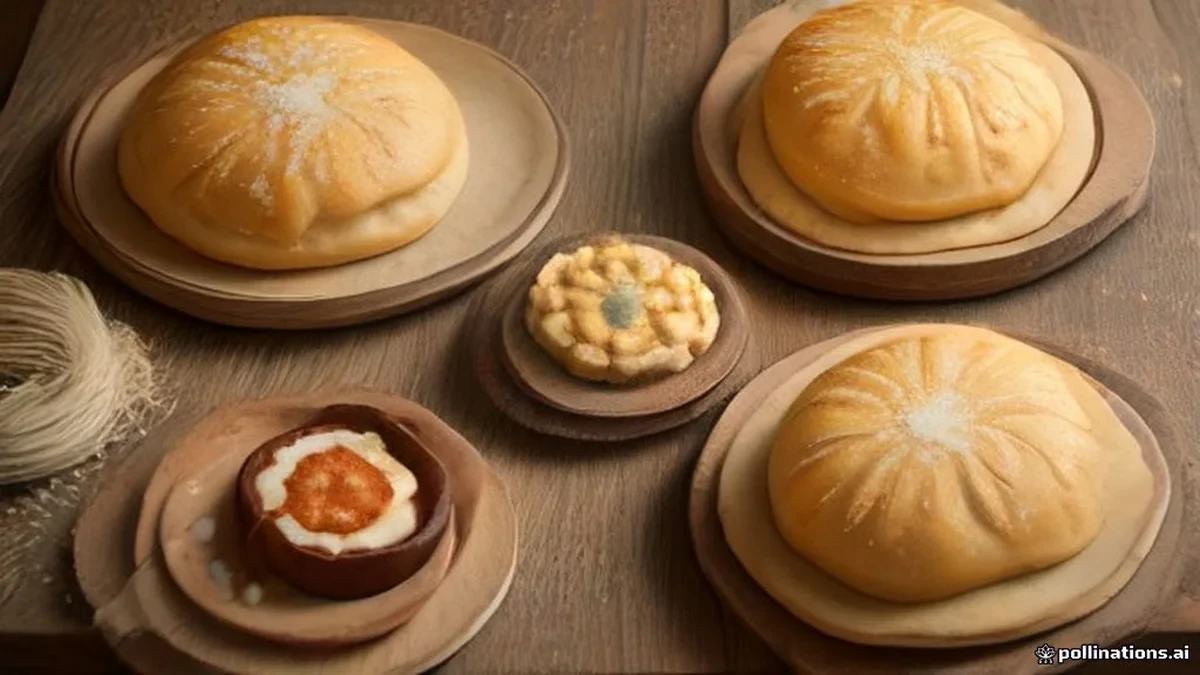
Sopaipillas, calzones rotos and churrascas get mixed up all the time, and the difference fits in one line: a sopaipilla is a pumpkin dough that gets fried, a calzón roto is a sweet dough that also gets fried, and a churrasca is a flat bread cooked dry on a griddle.
All three come out of the same bag of flour, yet they share neither the fat, nor the sugar, nor the cooking method: one is eaten with avocado, another with milky coffee and the third replaces the bread at breakfast.
Sopaipillas, calzones rotos and churrascas: what each one is
A sopaipilla is a flat, round fried flour dough, savoury or neutral in flavour, which in central Chile carries cooked, mashed pumpkin inside the dough. The Chilean sopaipillas recipe is the reference for making them at home.
A calzón roto is a sweet dough with no yeast, rolled thin, cut into strips and knotted before frying. It is finished with powdered sugar and eaten mostly in winter, with something hot on the side. The recipe is at calzones rotos.
A churrasca is a flat bread of flour, water and fat cooked without oil on a hot griddle or straight on the grill. It is neither a sweet nor a fried dough: it is country bread, the kind that is ready in twenty minutes. The base recipe is at barbecues, as the churrasca is called in English on this site.
Two clarifications: picarones are a dough with pumpkin and sweet potato soaked in chancaca syrup, of Peruvian origin, and berliners are yeast buns. Neither one is a sopaipilla.
The dough: with pumpkin, with sugar and with nothing
In the sopaipilla of central Chile the dough is flour, cooked mashed pumpkin, baking powder, salt and lard or butter. The pumpkin is not decoration: it brings moisture and sugar, gives the yellow colour and leaves a softer crumb. The pumpkin version has its own page at sopaipillas with pumpkin.
In the south of the country the traditional recipe goes without pumpkin, using only water, which is why its flavour is neutral and its shape often rectangular or diamond-shaped. Neither is the authentic one: they are two regional traditions that coexist, and the southern version takes savoury toppings better.
The calzón roto is the only one of the three with sugar inside the dough, plus egg, butter and a flavouring of lemon or orange zest, vanilla and, in the oldest versions, a spoonful of pisco. It is rolled very thin, between three and five millimetres, because if it stays thick it browns outside and remains raw in the middle.
The churrasca is the poorest dough of the three and therefore the fastest: flour, salt, a little baking powder or baking soda, warm water and fat. It belongs to the same family as the rescoldo tortilla, from which it differs in size and heat source: a griddle or a grill, not embers or an oven.
How each one is shaped and cooked
The sopaipilla is rolled to half a centimetre, cut into discs and pricked with a fork before frying. The pricking has a concrete purpose: it stops the dough from puffing up like a balloon and ending up hollow and raw in the centre. It is fried in oil or lard at about 180 °C, two to three minutes per side.
The calzón roto is rolled out, cut into rectangles of about ten by four centimetres, slit in the middle and one end is pulled through so it ends up with the twisted shape that gives it its name. It is fried at 180 °C with only a few pieces at a time: overfilling the pot drops the temperature and the dough drinks oil. Two minutes on one side and one more on the other, and the powdered sugar goes on while they are hot, which is the only moment it sticks.
The churrasca is rolled to half a centimetre and about thirteen to fifteen centimetres across, pricked on both sides and cooked on a hot dry griddle over medium-low heat, about five minutes per side. It is the only one of the three that is not fried, and that explains almost everything else, including why it goes hard as it cools.
Why they are called that: a lady, a grilled beef and a borrowed word
The story behind the calzón roto is colonial and takes place in a square. A woman used to sell pastries in the Plaza de Armas in Santiago, and one day the wind lifted her skirt and revealed torn underwear; onlookers started calling her the lady of the torn panties and the nickname stuck to the sweets. It is a legend, not a document.
The detail almost nobody has is different: they used to be called zorritas, a diminutive with a mocking edge, and in some Chilean cities both names are still in use. That is why people search for zorritas and find nothing resembling a fried sweet.
The word churrasca comes from churrasco, beef cooked on a griddle or a grill, as the Patrimonio Alimentario de Chile records for the Valparaíso Region. The most reasonable hypothesis is that the name moved to the bread because it is cooked the same way: directly on the hot griddle, with no oven. Sopaipilla, by contrast, is a word shared with Bolivia, Cuyo, southern Spain and northern Mexico, with recipes that have nothing in common except the name.
The differences, in a table you can read at a glance
| Criterion | Sopaipilla | Calzón roto | Churrasca |
|---|---|---|---|
| Flavour | Savoury or neutral | Sweet | Savoury |
| Contains pumpkin | Yes in the centre, no in the south | No | No |
| Sugar in the dough | No | Yes | No |
| Rising agent | Baking powder | Baking powder | Baking powder or soda |
| Cooking | Fried | Fried | Dry griddle or grill |
| Served with | Avocado, pebre, chancaca | Milky coffee, mate | Egg, cheese, pebre |
The variations that confuse: syrup-dipped, ember-baked and grilled
Sopaipillas pasadas are soaked in a chancaca syrup with cinnamon, cloves and orange peel. They are a dessert, not a side, and they are the natural destination of yesterday's sopaipillas.
Churrascas are also made on the grill, where they pick up marks and smoke, and they take doughs with linseed, chia or oats, or thicker ones meant for filling, like barbecues to fill. They share a family with kneaded bread, although that one does use yeast.
Calzones rotos have baked versions, yeasted versions that need an hour to rise, versions with chicha or white wine replacing part of the liquid and versions with cinnamon in the final sugar. Outside Chile the same sweet appears as faworki in Poland, kleina in Iceland, klenät in Sweden and sfrappole in Italy, or cueca virada in Brazil. In English they are grouped as angel wings.
Calories, storage and why they go hard
The numbers should be given as a range. A medium sopaipilla is around 160 to 190 calories per piece; a calzón roto of about thirty grams, 200 to 210; and a large churrasca, one of the six that come out of half a kilo of flour, goes past 350 to 480. The honest comparison between recipe pages, which use different portions, is in the Chilean food calories chart.
The churrasca hardens as it cools because it is cooked dry and loses moisture fast: the starch reorganises and the crumb tightens. Fried doughs last a little longer because the fat slows that process, but they go soft if stored covered. The practical rule is two or three days in an airtight container and reheating in the oven or an air fryer, never in the microwave. Raw doughs freeze for up to three months and fry straight from the freezer with one extra minute; for everything else there is the guide to what you can freeze once cooked.
Frequently asked questions
What is the difference between sopaipillas and calzones rotos?
A sopaipilla is savoury or neutral and usually carries pumpkin; a calzón roto is sweet, knotted and finished with powdered sugar. Both are fried, but one accompanies a meal and the other is a winter sweet.
Do calzones rotos contain pumpkin?
No. The dough is flour, sugar, egg, butter and flavouring. Pumpkin is characteristic of the central Chilean sopaipilla.
Are churrascas bread or fried dough?
They are bread. They are cooked on a dry griddle or the grill, with a dough of flour, water and fat, and contain no sugar.
Can you freeze calzón roto dough?
Yes, for up to three months, already rolled and cut. Fry it straight from the freezer, adding one minute.
How many calories are in a sopaipilla?
Between 160 and 190 per medium piece, depending on size and how much oil it absorbs. A large churrasca, by contrast, goes past 350.
To keep going with Chilean cooking comparisons, the one on cazuela, carbonada and charquicán uses the same method.