Guatitas: Chilean Beef Tripe, Cleaning and Cook Time
 By
Diego Cortés
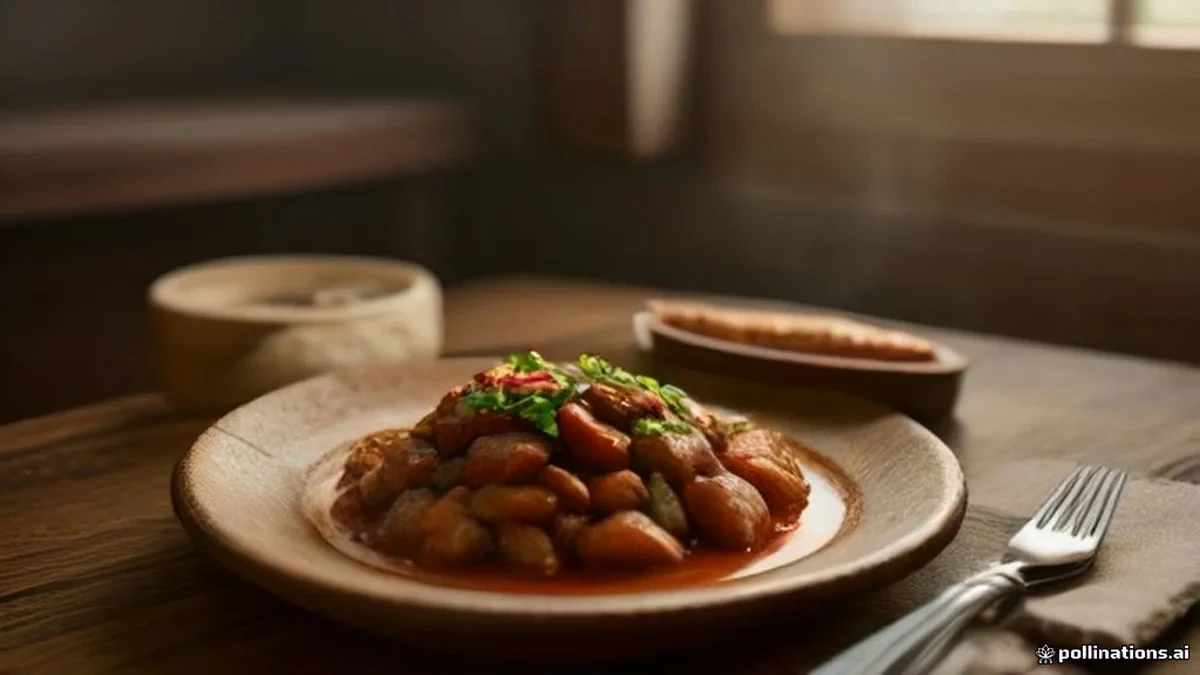
Guatitas are the walls of a cow's stomach, cleaned and cut into strips, and in a pressure cooker they are ready in 35 to 45 minutes. Here is what no recipe card tells you: what they are, how to clean them, how long they take and how the versions differ.
What guatitas are: the beef stomach Chile has stewed since the Colonial era
The word comes from "guata", the everyday Chilean term for belly. At the butcher's you ask for guatitas, panza or mondongo, and they often arrive already blanched or precooked, which is good news for a home cook. In Spain the same cut is called callos; in Mexico and the Río de la Plata, mondongo. One ingredient, three names, three very different kitchens.
Why did such a humble dish become a classic? For cost and for technique. It is a cheap cut that feeds many people, and Chilean cooking turned it into a stew with three staples: tomato, ají de color and potatoes. Potato starch thickens the sauce without flour, the mild red pepper gives it colour and oregano rounds it off. This is big-pot food, Sunday food, winter food.
The Chilean version descends from callos a la madrileña, and that inheritance explains the tomato, the chorizo and the bay leaf. What was added here was chilli heat and rice on the side.
Guatitas, callos, mondongo and guatita: one word, four different dishes
This is where many people go wrong, and understandably so: two dishes spelled almost the same are completely different things.
| Name | Where | What defines it |
|---|---|---|
| Guatitas a la española | Chile | Red stew with tomato, onion, ají de color, oregano, longaniza sausage and potatoes. |
| Callos a la madrileña | Spain | With chorizo, blood sausage and paprika; sometimes chickpeas or snout. |
| Guatita | Ecuador | Coastal stew with peanut, potato and refrito; served with rice and avocado. |
| Mondongo | Mexico, Río de la Plata | The name of the same cut, with local preparations that differ greatly. |
The distinction matters for one concrete reason: someone searching for "guatita" can land on a Chilean tripe stew when they expected the Ecuadorian peanut version. Both are good dishes, but they have little in common.
How to clean them: brush, lemon and two or three changes of water
Cleaning is the step that decides the dish. Rinse under warm water, scrub inside and out, pull off the visible fat and rub with lemon or vinegar and salt before a final rinse in cold water. The lemon is not just aromatic: it helps carry away the smell and the film that settles in the folds of the cut.
The first boil is for cleaning, not for cooking. Start with cold water, bay leaf, onion, carrot, pepper and salt, bring it to pressure and throw that broth away. If the smell still bothers you, repeat two or three times with short twenty-minute boils, rinsing in cold water in between: this is the three-water method Chilean cooks use to leave the tripe with no trace of odour.
Two mistakes that cost you the pot: cooking them without changing the water, which leaves a bitter broth that ruins the stew, and over-salting from the start. The liquid reduces and the dish ends up too salty. Salt at the end, once they are tender.
How long to cook them: a table by pot and the exact doneness test
This is the most repeated question and the one almost no recipe answers clearly. Time depends on the thickness of the strip and on how clean the cut arrives, not on the clock alone.
| Pot | Time | Note |
|---|---|---|
| Pressure cooker | 35 to 45 minutes from full pressure | Up to 60 if the strips are thick or the cut is poorly cleaned. |
| Regular pot, covered | 2 to 2.5 hours over low heat | Add hot water if it evaporates, never cold. |
| Cast iron pot | Up to 90 minutes | Slower, but far more forgiving. |
Cold water on a half-cooked cut tightens it, so any liquid you add should always be hot.
The test that works is not a fork: a strip should cut with the edge of a spoon and offer no resistance when chewed, without turning rubbery. If it falls apart, it went too far; if it bounces back, it needs another fifteen minutes. You can cook them the day before and keep them in their broth: the next day the stew comes together in twenty-five minutes.
The four versions: española, jardinera, picante and chupe
Guatitas a la española is the classic pot version. Fry onion, garlic and bell pepper, add tomato and ají de color dissolved in warm oil (never burnt, because it turns bitter), oregano, bay leaf and longaniza. Then come the cooked, sliced guatitas, broth and diced potatoes until everything thickens. The tomato and the sausage make the sauce and the potato starch binds it.
The jardinera is the same base with a garden added: peas, carrot and sometimes corn or pepper strips, plus potatoes, served with white rice. It is the lightest of the four. That is the real difference from the española: vegetables instead of sausage.
The spicy one, sometimes called a la chilena, brings ají cacho de cabra, merkén or fresh chilli into the sofrito, with the option of serving the heat on the side. If it turns out too hot, fix it with grated raw potato or more broth, never with sugar. The chupe is the creamy, gratinated variant: guatitas in a milk and cream sauce, breadcrumbs, cheese on top and a hot oven until golden. It is the most calorific of the four and, for a first try, the friendliest.
How many calories they have and what they actually provide
The base ingredient, without the stew, sits at around 89 to 94 calories per 100 grams of cooked beef stomach, with about 12 grams of protein and 3.4 to 3.9 grams of fat, according to food composition tables. It provides collagen, iron and zinc, and it is not a fatty cut by nature. What adds the weight is everything you put around it.
A kilo of cooked guatitas serves four to six people depending on the sides, and the total climbs with the chorizo (200 grams add roughly 600 calories), the oil in the sofrito and the potatoes. On this site, the española declares 350 calories per serving for four people and the chupe 375 for eight. Those are estimates calculated from the ingredients, not laboratory analysis.
To compare with other preparations, the calorie chart for 18 classic Chilean dishes shows the contribution per serving. And if the whole family of stews interests you, the difference between cazuela, carbonada and charquicán places each dish where it belongs.
How to buy, store and freeze them
At the butcher, ask for them already cleaned, since many arrive precooked. If they come raw, a strong smell and a pinkish grey colour are normal; a greenish film or a sour smell are not. Ask for them sliced: thick strips take twice as long.
Once cooked they keep three to four days in the fridge, covered in their broth, and they freeze in portions with some liquid for two to three months. The finished stew freezes too, though the potato softens on thawing.
To reheat, use a pot with a splash of broth rather than a microwave on full power: the cut dries out and the sauce splits. If you froze the stew, thaw it in the fridge the night before.
Frequently asked questions
What exactly are guatitas?
They are the walls of a cow's stomach, cleaned and cut into strips. In Spain they are callos and in Mexico mondongo. They are smooth muscle with plenty of collagen, which is why they need a long, wet cook.
How long do they take in a pressure cooker and in a regular pot?
In a pressure cooker, 35 to 45 minutes from full pressure, and up to 60 if the strips are thick. In a regular pot, two to two and a half hours over low heat.
How do you clean them so they do not smell?
Warm water, a brush, lemon or vinegar and salt, then a cold rinse. After that, one or two cleaning boils with bay leaf and vegetables, discarding that broth.
What is the difference between a la española and a la jardinera?
The española includes longaniza or chorizo. The jardinera swaps the sausage for peas, carrot and sometimes corn, and comes with white rice. The sofrito base is the same.
Can they be frozen?
Yes. Cooked, they keep two to three months in portions with some broth, and the finished stew freezes as well. Always thaw in the fridge.
Is Ecuadorian guatita the same thing?
No. The Ecuadorian dish is a coastal stew with peanut, potato and refrito, served with rice and avocado. The Chilean one is a tomato and ají de color stew.
If it is your first time cooking them, start with the chupe: a milk and cheese sauce forgives far more than a tomato stew.