Rellenitos de Plátano: What Guatemala's Stuffed Plantain Is
 By
Diego Cortés
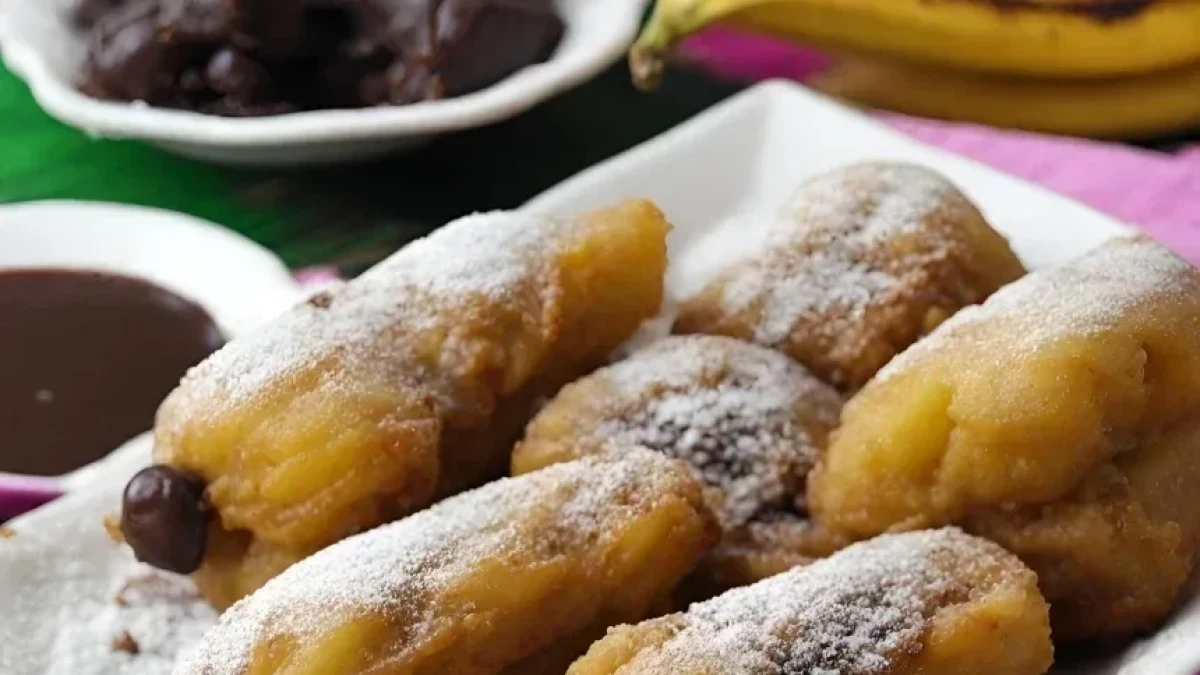
Rellenitos de plátano are not fried plantains and not an empanada: they are a Guatemalan dessert of ripe plantain dough wrapped around sweet black beans. And the beans are no mistake.
First-time eaters expect something savory and get cinnamon, chocolate and a creamy center. The confusion makes sense: across Latin America beans belong to savory cooking and fried plantain is a side dish. Rellenitos break that logic and turn everyday pantry staples into a fairground sweet.
What rellenitos de plátano are
From the outside they look like an oval croquette or a long buñuelo, golden and slightly uneven. Inside they are something else: a soft dough of cooked, mashed plantain holding a thick paste of black beans with sugar, cinnamon and, depending on the household, dark chocolate. In short, a dessert of ripe plantain that is cooked, mashed, filled and fried.
The texture comes in three layers: a firm, caramelized outside, a moist and sweet middle dough, and a creamy spiced center. If the filling was reduced properly it holds itself together; if it was left loose, it escapes at the first bite. The name says something too: "rellenito" is the diminutive of rellenar, to fill, not a plantain variety. For exact amounts and steps there is the Guatemalan rellenitos recipe; this article covers what the dish is and why it is made this way.
Where they come from: a Guatemalan dessert
They are a traditional Guatemalan dessert found in homes, markets, street stalls, fairs and family gatherings. No single city can claim them and there is no documented date of invention. What does exist are local versions recorded across several departments.
Guatemala's Sistema de Información Cultural lists rellenitos from Huehuetenango, Santa Rosa, Jutiapa and Petén, along with variants such as the bean rellenitos of Yupiltepeque. That does not mean each place has a fixed recipe; it means the opposite. The dish belongs to a national tradition that adapted to whatever each kitchen had, and in Petén fillings of beans, manjar and cheese are documented. So it is better to speak of a traditional version or a common variant than of one authentic original. Guatemalan cooking works that way in general: jocón changes its recado from house to house, and Guatemalan tamales are wrapped differently in every region.
Why they are filled with sweet black beans
The beans in a rellenito are not a savory filling and not a pantry accident: they are cooked until soft, mashed and reduced to a paste, and only then sweetened with sugar, cinnamon and sometimes dark chocolate or cocoa. The result is closer to a bean sweet than to a stew.
The logic is balance. Ripe plantain brings sweetness and starch, and gives a dough you can shape by hand. The beans bring body and a toasted flavor that cuts the plantain's sugar, while cinnamon and chocolate round it off with the aroma people recognize instantly. There is no need to call it healthy: it is a fried dessert and it is enjoyed as one. Documented alternatives use manjar, cheese or raisins, but the black bean version is the one that defines the most recognizable rellenito.
Plantain, dough and filling: what each part does
The wrapper is ripe plantain boiled in water and, depending on the household, with a little cinnamon and sugar in the pot. Then it is mashed while hot until workable. The point matters: strings or lumps mean it will not seal well, and overcooked plantain releases water, sticks and tears during shaping.
The center is made separately: black beans are cooked, ground and returned to the pot until they thicken, seasoned with sugar, cinnamon and sometimes chocolate. The filling has to stay compact, almost like a cold spreadable paste. One common confusion is worth clearing up: plantain is not a banana. It is larger, firmer and starchier, and it needs cooking; a very ripe banana releases more water and gives a dough that holds up worse in frying.
How they are made, without repeating the recipe step by step
The process fits into five verbs: boil the plantain, mash it, make a thick filling, wrap, and fry. There are two critical points: the filling must be cold and thick before shaping, and the dough must close completely. If the surface is damp or the seam has a crack, oil gets in and the center leaks out.
The visual test for frying is simple: even golden color and a firm surface, with no dark spots, because plantain sugar burns fast. Drain them for a few seconds and serve; stacked while hot, they sweat and lose their crust. Amounts and times belong to the linked recipe page, not to this text.
What they taste like and how Guatemala serves them
The first bite is sweet and caramelized, with the aroma of the fryer. Then the center arrives: beans with cinnamon and, if chocolate is involved, a mild bitterness that balances everything. The texture changes twice in a single bite, which is why the dessert works even though its ingredients sound contradictory.
They are served hot or at room temperature, dusted with sugar, and many homes pair them with cream, honey, coffee or hot chocolate. At fairs they are eaten standing up, straight out of the oil. They are not tied to one holiday: they show up at snack time and at any gathering where coffee is poured. As a plantain dessert they also talk to other traditions in the region: banana bread shares the idea of using very ripe fruit, even if the result comes from an oven instead of a pan of oil.
Rellenitos, fried plantains and other sweets: differences and FAQ
A plain fried plantain has no filling and no dough around it: it is a slice of fruit browned in oil. A rellenito has three parts and a closed shape. It is not an empanada either, because empanadas are built on wheat or corn flour dough while here the wrapper is the cooked fruit. And it is not a molote, which is made from corn dough and usually holds savory fillings.
Are rellenitos sweet or savory?
They are sweet. The plantain provides the sweetness of the dough and the beans are sweetened with sugar, cinnamon and sometimes chocolate. There is no salt in the filling beyond a minimal touch while cooking the beans.
Can they be made with manjar?
Yes. Manjar or dulce de leche is a documented variant, as is cheese. It changes the center completely: more dairy and without the toasted base of the beans. If you have never tried them, black beans remain the reference.
Which beans are used?
Black beans, the same ones used in everyday Guatemalan cooking. They are boiled, mashed and reduced with sugar and cinnamon into a thick paste.
Are they eaten hot?
Hot or warm, straight from the oil, is when the contrast of textures shows best. Cold they are still edible, but the dough hardens and the filling loses its aroma.
Can they be baked?
You can try, but the result changes: the surface does not caramelize the same way and the dough dries out. The recognizable version is fried.
Are they the same as molotes?
No. Molotes are made with corn dough and usually carry savory fillings; rellenitos de plátano use plantain as the wrapper and a sweet filling.
Which plantain do you need?
Ripe plantain: large, firm, starchy, with spots on the skin. A banana will not work the same way because it releases too much water and does not form a dough that survives frying.
In the end, the combination of plantain, beans, chocolate and cinnamon is not a folkloric oddity: it is the signature of the dish. It is what makes a rellenito recognizable at the first bite, even among dozens of fried sweets, and what keeps alive a recipe learned at home and repeated at every fair in the country.