Golfeados: What Venezuelan Papelón and Cheese Rolls Are
 By
Diego Cortés
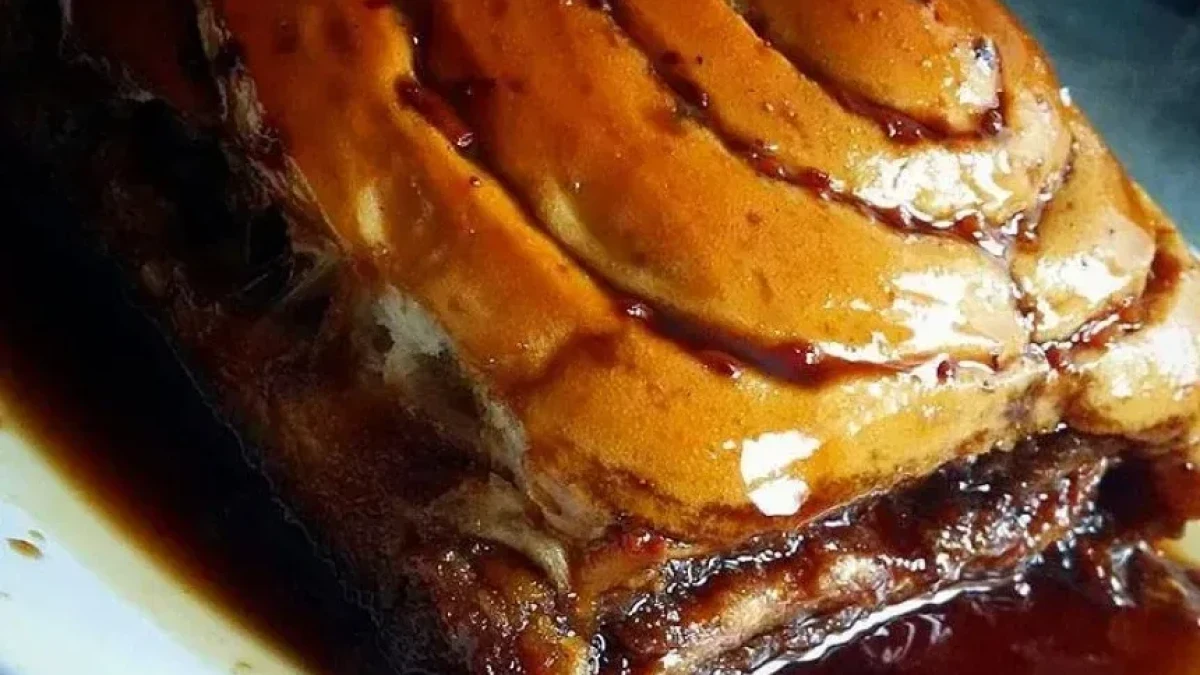
Golfeados are not cinnamon rolls under another name: they are Venezuelan sweet rolls shaped like a spiral, with anise in the dough and papelón and cheese inside, eaten warm because cold papelón hardens and drags the texture with it.
They are sold by the piece in any Venezuelan bakery. The full method lives in our golfeados recipe; here comes the part no recipe card tells you.
What a golfeado is: a sweet spiral with papelón, anise and cheese
A golfeado is a sweet roll shaped like a spiral, made from an enriched, fluffy dough, scented with anise seeds and filled with grated papelón and white cheese. It is brushed with papelón syrup and served warm, with a slice of queso de mano on the side.
What sets it apart from any other rolled bun is the sweet and savoury mix: it is the only member of the family that carries cheese inside, and that pairing of papelón with cheese is the Venezuelan signature. The crumb comes out slightly chewy and very aromatic, not a dry bread. People say golfeado or golfiao, and there is a mini version too.
Where golfeados come from: Petare and the Duarte family
The most repeated version places them in Petare, when it was still a village apart from Caracas, at the Panadería Central near today's roundabout. A Canarian family started selling them there and the recipe became a neighbourhood habit. Petare chronicles speak of a thin ribbon with five turns, seasoned with papelón molasses and cheese.
Handle the names with care, because sources disagree: some mention María Duarte and Gregorio Vicente Duarte, others Genaro and María Duarte. What they agree on is the surname, the baker's trade, the wood-fired ovens and the recipe being copied the moment the business closed.
From there it spread across the country: driving up to Los Teques or out to Macuto meant stopping for golfeados, and that explains why the golfeado tastes like childhood.
Why they are called golfeados: the coffee snail and the golfiao
The etymology is not settled either. The most cited oral tradition traces it to a coffee estate, El Hoyo de las Tapias, which supplied Caracas: a coffee seed grew in the shape of a snail and the farm workers called it golfiao. From there came, supposedly, the remark that named the bread: give me that one that looks like a golfiao.
A second, less documented hypothesis links the name to the El Golfo area in Miranda. It is mentioned as legend, with no document to support it. What is solid: the name does not describe the recipe.
The ingredients that make a golfeado a golfeado
The dough is a light brioche: flour, yeast, warm milk, eggs, butter, sugar and salt. It needs long rises: a homemade golfeado takes three to four hours, even though the bake is only twenty to twenty-five minutes at 180 degrees Celsius.
The filling and the glaze call the shots: grated papelón, the unrefined cane sugar known elsewhere as panela, piloncillo or rapadura, mixed with grated hard white cheese, cinnamon and more anise. The syrup, papelón dissolved in water with anise and a strip of lemon, is brushed on the dough and used to glaze the rolls as they come out. To see papelón in its simplest form there is papelón with lemon.
The real variants are chocolate, raisins, walnuts or the savoury ham and yellow cheese one. None of them is the classic: the classic is papelón, anise and cheese.
Why golfeados are eaten hot (and what happens when they cool)
It is not a whim: papelón hardens as it cools and pulls the dough with it, so the secret of selling golfeados is keeping them hot at all times. A cold golfeado loses its juicy crumb and turns chewy, however good the filling is.
The good window is the first twenty to thirty minutes out of the oven. To reheat one, a low oven or a covered pan works; a microwave softens it but kills the shine.
The ritual calls for coffee with milk or malt and a slice of queso de mano to alternate sweet and salty. They are eaten mid-morning or mid-afternoon, not as dessert.
Golfeado, cinnamon roll and Chelsea bun: how they differ
The golfeado uses an enriched dough with anise, papelón and white cheese, is brushed with syrup and eaten warm. The cinnamon roll uses a similar dough but comes with brown sugar, cinnamon and icing on top, and tolerates being served cold. The French caracola uses puff pastry or a less sweet leavened dough and carries no cheese either, same as the Chelsea bun, which adds raisins and candied peel.
The historian Germán Carrera Damas sums it up better than any table: the golfeado may have been inspired by French caracolas, cinnamon rolls or Chelsea buns, because it resembles them all, but it differs from all of them. At the table the difference is double: it is the only one with cheese inside and the only one meant to be eaten hot.
How to spot good golfeados and what to serve with them
The signs are visible before you bite: a spiral with several turns, a crumb that pulls into strands, a glossy syrup that is not cloying, cheese spread through every turn. If it is dry or the papelón has crystallised at the base, it was badly baked.
The canonical pairing is queso de mano, a fresh, salty, mild cheese, served in slices. Where it is unavailable, soft feta or ricotta salata works better than a creamy cheese: you need the salty contrast.
On a Venezuelan table golfeados share space without stealing it from cachapa venezolana, tequeños and sweet arepas. For the festive end of the tradition, read about Venezuelan hallacas.
How many calories golfeados have and how to adjust them
With the maths in plain sight: about 320 calories per 100 grams and around 256 per piece. The recipe card on this site, which yields twelve pieces from 250 grams of papelón and 400 grams of cheese, states 450. The difference is size and syrup, so the honest range is 250 to 450 calories per golfeado.
What adds up is easy to see: papelón, cheese and butter. With coffee and milk and an extra slice of cheese it comes close to 500 or 600 calories: a full snack, not an innocent bite. It can be adjusted with smaller pieces, less syrup and fruit on the side, but never by removing the anise or the papelón: without them it is another bread.
Frequently asked questions about golfeados
What is a golfeado in one sentence
A Venezuelan sweet roll shaped like a spiral, with anise in the dough and a filling of papelón and white cheese, brushed with syrup and served hot.
Why do golfeados have cheese
It is the Venezuelan signature: grated white cheese cuts the sweetness of the papelón with salt, something no other roll does.
Where does the golfeado come from
Tradition places it in Petare, at the Panadería Central run by a Canarian family, the Duartes. The origin travels by oral tradition.
Why are they eaten hot
Because papelón hardens as it cools and pulls the dough. Warm, the crumb stays juicy; cold, the bun turns chewy.
What is papelón
Unrefined cane sugar, sold in blocks that are grated. Other countries call it panela, piloncillo or rapadura.
What is queso de mano
A fresh Venezuelan cheese, salty and mild, served in slices next to the golfeado and also eaten with arepas.
How many calories are in a golfeado
Between 250 and 450 per piece, depending on size and syrup. Tables give 256 per unit and 320 per 100 grams.
Can you make them at home
Yes, with long rises: three to four hours of clock time and a bake of twenty to twenty-five minutes at 180 degrees Celsius.
What do you drink with golfeados
Black coffee, coffee with milk or malt. Hot chocolate adds sweetness to a bite that already carries papelón.
Why are they called golfeados
From the coffee snail of the El Hoyo de las Tapias estate: they called golfiao a seed shaped like a snail.